1 Costs and pricingBacklink marketplaces vs managed link building: 7 services compared
Seven link services in three groups: per-link menus, marketplaces where each site sets its own price, and managed retainers. Prices are listed where the provider publishes them.
 Tools and providersTechnical SEO survey tools compared by crawl limit: Sitebulb per audit, JetOctopus per month and the rules both obey
Compare Sitebulb and JetOctopus for technical SEO site surveys by crawl limit, seats and published price, plus the RFC 9309 and RFC 9110 rules crawlers follow.
 OutlookSEO tools risk scenarios: renewal pricing, account suspension, shrinking history and PECR change, each with its source
Four SEO tools risk scenarios to rehearse at renewal, each tied to a named Semrush or Ahrefs clause, price page or ICO guidance date, plus a source register.
 Tools and providersWhich SEO tools track Google local packs across British cities?
Rank tracking tests in Bristol, Leeds and Glasgow show which SEO tools capture Google local pack results, where each one fails, and the settings to fix.
 Rules and ethicsVAT and Making Tax Digital costs for UK SEO tool subscriptions
SEO software costs in the UK rise once you add HMRC VAT rules, Making Tax Digital filing and reverse charge treatment. Here is how to model the real total.
 Audience researchUsing ONS data as context for SEO software budgets
Use ONS earnings and business-count data as regional context for SEO software budgets, then model an illustrative agency stack against retainer revenue.
 ReviewsLondon and Manchester agency SEO tool stacks compared
SEO tools spend compared: London and Manchester agencies reveal seat counts, monthly costs and stack choices in this UK agency benchmark for 2026.
 Tools and providersHow Welsh and Gaelic keyword research works in mainstream SEO tools
SEO software rarely supports Welsh or Gaelic keyword research properly, so here is the bilingual keyword workflow that works for Wales and Scotland teams.
 Rules and ethicsHow ICO data retention rules shape SEO tool contracts for UK buyers
SEO tools contracts in the UK must meet ICO data retention rules, UK GDPR duties and Data (Use and Access) Act 2025 changes. Here is how to check them.
 Audience researchHow to set up rank tracking for Edinburgh and Glasgow SEO teams
How to configure rank tracking for Edinburgh and Glasgow SEO teams, with city-level location profiles, Scots and Gaelic keyword groups and local demand by sector.
 Rules and ethicsDoes UK data adequacy still let teams use EU-hosted SEO tools?
SEO tools and UK data adequacy: where named vendors host data, what the Data (Use and Access) Act 2025 changes, and how to check cross-border transfers.
 Tools and providersCardiff and Belfast cross-border rank tracking for SEO teams: Welsh keywords and .ie domains
Rank tracking in Cardiff and Belfast means separate city locations, manual Welsh keywords and mixed .uk and .ie domains. It compares Semrush, STAT and others.
 Rules and ethics3 checks every UK SEO tools claim must pass
UK SEO tools claims must satisfy the CAP Code on evidence, comparisons and testimonials. Three checks to run on your copy before it goes live.
 Tools and providersSEO tools for UK accountants: local tracking, reporting and confidentiality
A guide to SEO tools for UK accountancy practices, covering local rank tracking, map grid scans, reporting, client confidentiality and basic ICO and ASA checks.
 Tools and providersAhrefs vs Semrush for UK agencies: features and testing
Compare Ahrefs and Semrush for UK agencies by named feature, then test Google UK rankings on a live client campaign before you buy a licence.
 Tools and providersHow UK agencies can assess SEO tools
A five-step method for small UK agencies to assess SEO tools, check UK coverage, VAT, seats, reporting and data protection, then trial one client campaign.
 Tools and providersFree SEO tools for UK small businesses: a practical guide
A practical guide to free SEO tools for UK small businesses, covering keyword research, audits, rank checks, backlink reviews and UK GDPR basics.
 Tools and providersGoogle Search Console alternatives: what should UK site owners use?
Compare Google Search Console alternatives for UK site owners: rank trackers, site audit tools and keyword data tools, plus retention rules under UK GDPR.
 MeasurementLocal SEO Rank Tracking: How to Monitor UK Search Results
How to track Google Business Profile rankings by postcode, town and county, and read map pack positions with local SEO tools built for UK businesses.
 Tools and providersLocal SEO tools: which are best for UK high street shops?
Compare the best local SEO tools for UK high street shops, from Google Business Profile management at scale to British citations and Trustpilot reviews.
 Tools and providersRank tracking APIs: a buyer's guide for UK agencies
Compare UK rank tracking APIs: Semrush, Ahrefs, SE Ranking, AccuRanker, Nightwatch and DataForSEO, with GBP tracking, UK data location and GDPR checks.
 Tools and providersHow to visualise rank tracking data in Google Data Studio
Build Looker Studio rank tracking reports from Semrush, SE Ranking or DataForSEO, with UK date settings, scorecards, trend charts, filters and location maps.
 OutlookSEO tools renewal checklist for UK buyers
A practical SEO tools renewal checklist for UK buyers, with five named options, public plan prices, contract and data checks, and a five-step review sequence.
 Rules and ethicsSubstantiating SEO tools ad claims under the CAP Code
A practical checklist on SEO tools advertising claims: CAP Code rules 3.1 and 3.7, ASA enforcement, and the sources that back an accuracy claim.
 ReviewsRecording sources in agency reviews of SEO tools
Build a source register for agency reviews of SEO tools: label claims as vendor, contextual or editorial, and record what each source proves.
 OutlookA framework for checking AI claims in SEO tools
A framework for checking AI claims in SEO tools: trace feature outputs, data inputs, model disclosures, licensing and written evidence before renewal.
 MeasurementSEO tools: when to trust GA4 multi-touch attribution
Browser limits and consent tools now block much of the cross-site data that older attribution reports relied on, so the same suite can show fewer conversions than before. Most SEO suites, including Ahrefs and Semrush, foreground rankings, backlinks and keyword data or leave attribution to GA4; that often credits the final branded search and hides earlier research.
Multi-touch needs a durable identifier, usually a gclid or a server-side Measurement Protocol event, before the numbers mean anything. Match the model to the decision: content budgets justify data-driven credit, while paid channel splits often survive on last click. Record the rule, lookback window, date and owner. For licence choices, see [which SEO tools are worth buying](/seo-tools-best-tools-selection-guide-for-england).
 Audience researchHow to split SEO tool research between sizing a market and equipping one team
A method for splitting SEO tool research: size a market with official counts and sampled demand, equip one team with interviews, trials and weighted scoring.
 MeasurementBefore you trust a SEO tools benchmark, check the source labels
Benchmark research on SEO tools only works when sources, dates and measurement units line up. Here is how to pick data that supports a fair comparison.
 Reviews7 checks for comparing SEO tools, providers and sources
Seven checks for UK buyers comparing SEO tools, providers and sources: Semrush, Ahrefs, Moz, Screaming Frog, free tools and the facts to verify.
 Tools and providersWhich SEO tools are worth buying for a UK team?
A named shortlist of SEO tools for UK teams, with public prices, seat limits, google.co.uk notes and buying checks for licences and contracts.
 Costs and pricingHow to build an SEO tools budget template with sourced rows and owners
A fillable SEO tools budget template with named rows, sourced list prices and labels, plus owners and renewal dates so the sheet stays current.
 FoundationsFlat seat subscriptions versus metered usage credits: a comparison for SEO tool buyers
Compare flat seat plans from Semrush, Ahrefs and Moz with metered credits from DataForSEO, SerpApi and AccuRanker. See real prices and limits before buying.
 Audience researchSEO tools buyer personas: data sources that earn their place
A practical guide to SEO tools buyer personas, with named keyword, survey, review, CRM and analytics sources and the evidence to collect from each.
 StrategySEO tools: plan channels and organise data sources
Learn how to define search channels, record data sources and owners, and account for reporting time when planning SEO tools.
 Rules and ethicsSEO tools contracts: a buyer checklist for England and Wales
A practical checklist for reviewing SEO tools contracts in England and Wales, covering scope, renewal, data rights, liability, exit and evidence to keep.
 Audience researchHow to run SEO tools competitor research that stands up to scrutiny
A practical checklist for SEO tools competitor research in England, covering source selection, claim testing and how to record findings you can reuse.
 Costs and pricingWhen to compare SEO tools licence tiers and seat pricing
A practical SEO tools cost guide for English buyers: how to read licence tiers, seat costs and API charges, with a checklist for comparing quotes before you commit.
 Costs and pricing5 licence units that quietly change SEO tools costs
A working guide to SEO tools costs and pricing: licence units, seat maths, renewal traps and a labelled budget example for teams buying in England.
 Rules and ethicsSEO tools data protection: what the DPA 2018 means
SEO tools data protection under the Data Protection Act 2018: the ICO, UK GDPR duties, international transfers, DPIAs and a vendor checklist for UK teams.
 FoundationsSearch interest or procurement listings, reading SEO tools demand
Demand signals for SEO tools come from search data, procurement listings and sentiment tracking. This listicle explains five sources and how to read them.
 Rules and ethicsWhy an SEO tools disclosure policy needs a single source register
A step-by-step guide to writing an SEO tools disclosure policy: what to record about data and sources, who signs it off, and how to keep it current.
 Tools and providersSEO tools for ecommerce: Shopify vs WooCommerce for UK shops
Compare SEO tools for UK ecommerce: Shopify and WooCommerce differ on rank tracking, VAT, GBP pricing and data protection. Ahrefs, Semrush and Screaming Frog.
 FoundationsBefore you size the SEO tools market, check these sources
SEO tools foundations explained for England buyers: how the market is defined, where demand data comes from, and how to compare rank trackers and crawlers.
 Costs and pricingSEO tools quote checklist: seats, usage and terms
A practical SEO tools quote checklist for buyers in England, covering seats, usage limits, modules, support and contract terms over a 12-month schedule.
 Measurement5 metrics to track in SEO tools and the decisions they guide
Track five metrics in SEO tools such as Search Console, GA4 and Semrush, match each to a decision, and check definitions before comparing reports.
 OperationsHow to run an SEO tools launch review using named sources
How to run an SEO tools launch review that separates vendor claims from independent evidence, names its sources and flags what cannot be checked.
 Tools and providersSEO tools for law firms: what UK solicitors need
Compare SEO tools for UK law firms on SRA compliance, legal directory tracking and rank reporting for solicitor branches across England and Wales.
 FoundationsWhen to verify buyer demand before launching SEO tools
A launch checklist for selling SEO tools in England: buyer segments, procurement standards, demand testing, pricing in pounds and licence terms.
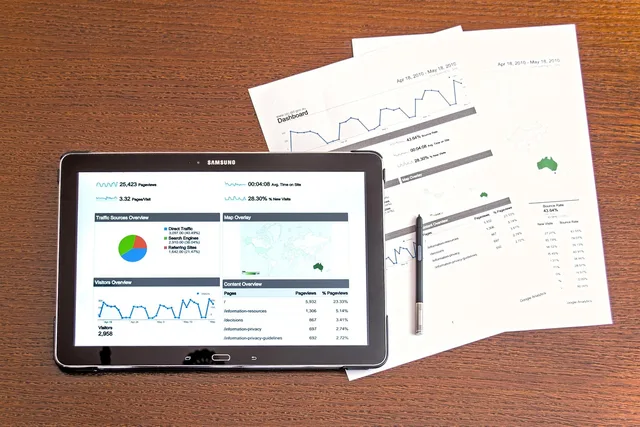 OutlookWhy outlook claims about SEO tools need a source check
Outlook claims about SEO tools need sourced evidence. See which three source types to score, how a rubric works and what should trigger a re-check.
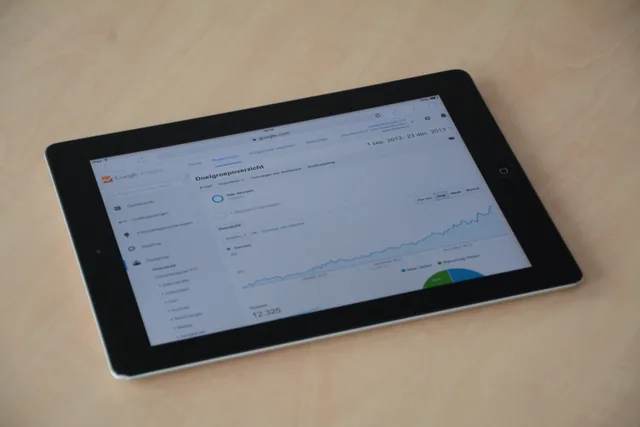 FoundationsWhy SEO tools market size cannot be a single official number
No official SEO tools market size exists for England. See which ONS datasets and commercial estimates can inform a transparent, carefully scoped estimate.
 MeasurementWhy SEO tools measurement needs a decision first
SEO tools measurement only works when the metric set, the crawl data and the reporting routine agree. A guide to scoping, scoring and auditing the stack.
 MeasurementSEO tools measurement mistakes that weaken your evidence
Six recurring faults in seo tools measurement, from mismatched reporting windows to unstated attribution models, and how England-based teams can fix each one.
 StrategyHow to structure and review a ninety day SEO tools plan
A ninety day SEO tools plan covering baseline, delivery and review, with metric owners, vendor claims separated from evidence and licence renewal decisions.
 OperationsA workflow for running an SEO tools cycle without a source register
Run an SEO tools cycle without a source register using audit logs, dated exports and inline notes from Search Console, Ahrefs, Semrush and Looker Studio.
 OperationsWhen to audit SEO tool ownership and reporting routines
A timing guide to auditing SEO tool ownership and reporting routines, with triggers, cadence, audit steps and named tools for cleaner search operations.
 StrategySEO tools: a template for recording decisions and sources
Copyable SEO tools decision-record template with six fields and a worked tracking row for recording a decision, source, date, owner, method and review.
 Costs and pricingSEO tools pricing: billing units and an Ahrefs example
SEO tools pricing depends on the billing unit: compare seats, usage, projects or domains and flat tiers, then use Ahrefs credit charges and five quote checks.
 ReviewsHow to source every claim in an SEO tools comparison
A working method for SEO tools comparisons: name a source for every claim, fix the billing unit first, and record what the evidence cannot prove.
 OperationsSEO tools: a vendor data audit checklist
A practical SEO tools checklist for checking vendor data provenance, accuracy, coverage and freshness, and recording evidence before renewal.
 MeasurementSEO tools reporting dashboard: how to structure metrics and evidence
Build an SEO tools reporting dashboard in Looker Studio with Search Console and GA4, clear metric definitions, named sources and a dated evidence trail.
 Costs and pricingHow to measure SEO tools return on investment with a scoring rubric
A practical method for measuring SEO tools return on investment: cost baseline, scoring rubric and review points, with labelled pound examples.
 ReviewsWhat a review methodology means for verifying SEO tool claims
SEO tools review methodology explained: which data and sources carry weight, how to separate vendor claims from independent evidence, plus a scoring rubric.
 ReviewsHow should a buyer score the evidence behind SEO tool claims?
SEO tools reviews need a method, not a demo. How to grade evidence, weight criteria, compare licences and re-check AI features before you buy.
 Reviews9 checks before buying SEO tools licences and data
A nine-point checklist for SEO tool buyers: verify licences, seat maths, data sources, compliance, contracts and renewal dates before you sign.
 OperationsHow to set service standards that define a credible source for SEO tools
Set service standards for SEO tools by defining acceptable sources, checking crawl and content data, and recording what changed before renewal.
 Tools and providersBuilding an evidence register for SEO tools
Build an evidence register for SEO tools with dated claims, source tiers, confidence levels and checks against your own account data.
 StrategyA strategy for 2027 SEO tools covering licence choices and review cycles
Build a 2027 SEO tools plan that names Semrush, Ahrefs, Screaming Frog, Moz and Google Search Console, compares licence costs and sets quarterly review dates.
 StrategyHow to build an SEO tools strategy framework from defensible sources
Build an SEO tools strategy framework using Google Search Console, Bing Webmaster Tools and named crawler and competitor tools, with a traceable source log.
 StrategyAudit your SEO tool licences before the next renewal date
Commercial or procedural errors waste more SEO tool budget than missing features; a listicle of seven patterns UK teams can check before renewal.
 Tools and providersHow to compare SEO tools before buying
A practical way to compare SEO tools: shortlist by workflow, check supplier data and licence terms, then run a scored pilot before committing.
 Audience researchHow to research SEO tools with buyer surveys
Research SEO tools with buyer surveys and official search documentation. Compare features, test claims and disclose your method.
 Audience researchHow to research an audience for SEO tools
A practical method for researching an SEO tools audience: combine keyword demand, analytics and conversations, define segments, and test them with interviews.
 OperationsSEO tools team roles without buying seats first
A working list of SEO tools team roles, with inclusion criteria, a scoring rubric and the duties each seat should own before you sign a licence.
 Tools and providersHow to plan an SEO tool rollout with a weighted rubric and staged migration
Plan an SEO tool rollout with a weighted scoring rubric, a four-stage migration, technical checks and a 30-day review before cancelling the old licence.
 Tools and providersBefore you buy SEO tools, split the licence from the data
A practical guide to buying SEO tools from suppliers: what each licence covers, how to compare vendors, and how to roll out rank tracking without wasted seats.
 OutlookWhy UK search teams must track AI answer citations at renewal
UK search teams need concrete renewal triggers, citation tracking methods and named AI visibility tools to audit answer citations before contracts auto-renew.
 Rules and ethicsUK SEO tooling rules explained by tracing each one to its source
Trace each UK rule that touches SEO tooling back to legislation, regulator codes or technical standards, and record the version you actually read.
 Rules and ethicsBefore you publish affiliate claims, check the five rule sets
How UK advertising, e-commerce and accessibility rules apply to SEO tools, plus disclosure duties, data protection and a worked compliance budget.
 Tools and providersSEO tools vendor checks before signing
SEO tools vendor checks cover data sources, tier fit, security, integrations, contract terms and exit routes. Use this checklist before signing.